
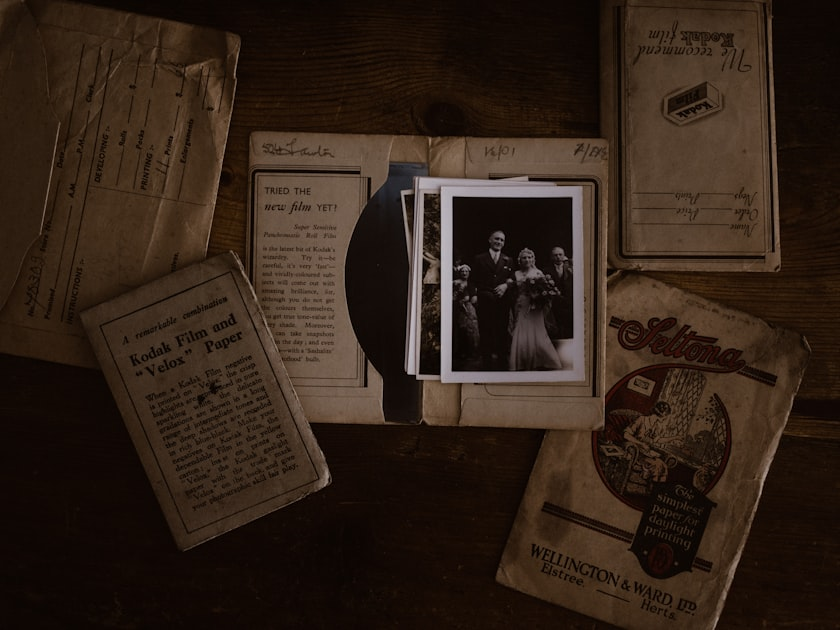
Film Digitization: A Gateway to the Past
Film digitization serves as a powerful bridge between generations, offering a gateway into moments, people, and places that might otherwise fade into obscurity. For communities seeking to preserve their local history, digitizing film negatives and slides is an essential step in protecting cultural narratives and ensuring the stories of the past remain accessible for the future.
Film, while capable of capturing extraordinary detail, is inherently fragile. Over time, negatives and slides deteriorate due to environmental conditions, handling, and chemical breakdown. Colors shift, emulsions crack, and images become progressively harder to recover. Film digitization halts this decline by transforming delicate analog materials into stable digital files, effectively freezing time before damage becomes irreversible. Once digitized, these images can be preserved indefinitely without further degradation.
Digitization also greatly enhances accessibility. Film formats such as 35mm slides or medium-format negatives often require specialized equipment to view—tools many small communities no longer possess. By converting film into widely accessible digital formats, historical images can be shared with schools, libraries, genealogists, and community members. These newly accessible images can support exhibits, educational programs, online archives, and storytelling efforts that strengthen community identity.
Furthermore, digitized film helps uncover forgotten chapters of local heritage. Old slides and negatives often contain scenes not found in printed photographs: community events, family gatherings, main streets that have since evolved, and portraits of local residents long gone. Many of these images capture authentic representations of rural life, offering insight into changing landscapes, traditions, and everyday experiences. Once digitized, these visual narratives can re-enter the community’s collective memory.
Preserving film is also critical for future generations. Digitized images allow younger community members to form deeper connections with their roots, gaining a clearer understanding of the people and values that shaped their hometowns. These photographs become more than artifacts—they become teaching tools, sources of pride, and threads that tie the past to the present.
In essence, film digitization is not merely a technical process; it is a cultural service. By rescuing fading negatives and slides, communities reclaim pieces of their heritage that might otherwise be lost. Through digitization, these visual stories can continue to inspire, educate, and enrich future generations—ensuring the past remains a living part of the community’s identity.